
bromo horse riding price 2025
Bromo Horse Riding: A Complete to Across Mount Bromo’s Sea of Sand
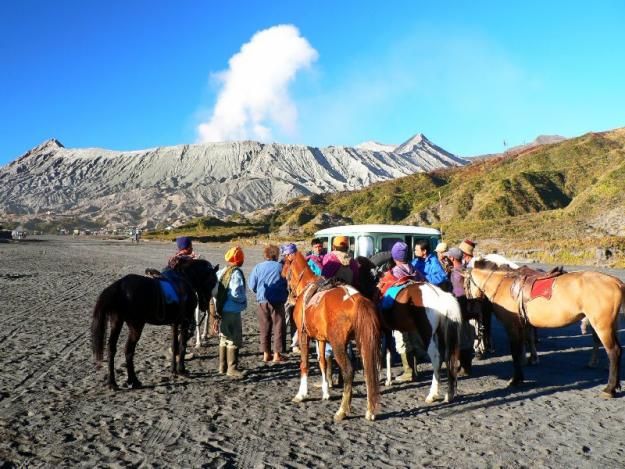
Horse riding in Bromo is one of the most iconic ways to experience the dramatic volcanic landscape of East Java. Set inside the vast Sea of Sand, this activity allows visitors to travel across black volcanic terrain with views of Mount Bromo, Mount Batok, and the surrounding Tengger caldera.
For many travellers, a Bromo horse ride is more than transportation. It is part of the atmosphere of visiting Mount Bromo: cool mountain air, volcanic dust, local horse handlers, distant crater views, and a landscape that feels completely different from other destinations in Indonesia.
Whether you are visiting Bromo after sunrise at Penanjakan or adding the activity to a jeep tour itinerary, here is what to know before riding a horse at Mount Bromo.
What Is Bromo Horse Riding?
Bromo horse riding is a guided pony or horse experience across the Sea of Sand, also known as Lautan Pasir Bromo.
Local handlers lead the horses across the sand toward the Mount Bromo crater approach. The route offers wide views of the caldera, the cone-shaped Mount Batok, volcanic ridges, and the black sand landscape surrounding Bromo.
Horse riding is often chosen by travellers who want a different experience from walking across the Sea of Sand. It is also useful for visitors who prefer to save their energy for the walk and stairs near the crater area.
Why Try Horse Riding at Mount Bromo?
The main appeal of horse riding in Bromo is the landscape. The Sea of Sand is wide, open, and volcanic, creating a dramatic setting that is very different from a typical horse-riding trail.
Riding across the sand gives visitors time to enjoy the scenery at a slower pace. The sound of hooves on volcanic sand, the cool air, and the view of Mount Bromo in the distance create a memorable East Java travel experience.
It is also a practical choice for visitors travelling with older family members, young adults, or people who do not want to walk the entire distance across the caldera.
Is Bromo Horse Riding Suitable for Beginners?
Yes, Bromo horse riding can be suitable for first-time riders because horses are generally accompanied and led by local handlers. You do not need advanced riding skills to enjoy the experience.
However, beginners should still follow instructions carefully. Sit upright, keep both feet secure in the stirrups, avoid sudden movements, and hold the saddle or reins as instructed by the handler.
The terrain can be dusty, uneven, and windy. Riders should be prepared for a slow, guided journey rather than a fast or independent horseback adventure.
What to Expect During a Bromo Horse Ride
A typical Bromo horse-riding experience includes a short ride across the Sea of Sand toward the foot of Mount Bromo. The exact route, duration, and price can differ depending on the season, the starting point, the local operator, and current conditions.
After arriving near the crater approach, visitors usually continue on foot. Reaching the crater rim requires walking uphill and climbing stairs, so horse riding does not remove the need for some physical effort.
The ride itself is usually calm and scenic. It is best enjoyed as part of a wider Bromo itinerary that may include a sunrise viewpoint, a jeep tour through the Sea of Sand, Whispering Sands, Teletubbies Hill, or Pura Luhur Poten.
Best Time for Horse Riding in Bromo
Early morning is usually the best time to ride a horse in Bromo. The weather is cooler, the light is softer for photography, and the Sea of Sand often looks especially atmospheric after sunrise.
Many visitors combine horse riding with a Bromo sunrise tour. After watching the sunrise from Penanjakan, Kingkong Hill, or another viewpoint, travellers typically continue by jeep to the Sea of Sand before starting the horse ride.
Late morning can be warmer, dustier, and busier. During the rainy season, conditions may also change quickly, so travellers should check with local guides or accommodation providers before leaving.
What to Wear for Bromo Horse Riding
Mount Bromo can be cold before sunrise and dusty after the sun comes up. Wearing the right clothing will make the ride far more comfortable.
Choose long trousers, a light jacket, closed shoes, and sunglasses. A scarf, face mask, or buff is useful for protecting your face from dust, especially when jeeps and horses are moving nearby.
Bring a small bag for your phone, water, camera, sunscreen, and any personal medication. Use a secure strap for cameras and avoid carrying loose items that could fall while riding.
Horse Welfare: What Responsible Travellers Should Check
Horse riding can support local livelihoods, but visitors should observe the condition of the horse before deciding to ride.
Choose a horse that appears alert, properly saddled, and in good physical condition. Avoid riding if the horse looks injured, severely underweight, exhausted, or poorly handled. Do not overload the horse, and follow the handler’s recommended rider limits.
Travellers can also choose to walk across the Sea of Sand when they prefer a lower-impact option. Walking gives you more time to take photographs and enjoy the volcanic scenery at your own pace.
How to Add Horse Riding to a Bromo Itinerary
A classic Bromo itinerary often starts before dawn. Visitors travel by jeep to a sunrise viewpoint, then continue down to the Sea of Sand after sunrise.
From there, you can choose between walking or riding a horse toward Mount Bromo’s crater approach. After visiting the crater area, most tours continue to other attractions such as Whispering Sands, Savannah, or Teletubbies Hill.
For travellers who want a slower experience, consider staying overnight near Cemoro Lawang or another nearby village. This gives you more flexibility and reduces the pressure of fitting sunrise, jeep travel, horse riding, and crater exploration into a single rushed visit.
Frequently Asked Questions About Bromo Horse Riding
Is horse riding in Bromo worth it?
Horse riding in Bromo is worth it for travellers who want to experience the Sea of Sand in a more memorable and relaxed way. It combines local culture, volcanic scenery, and a practical route toward the Mount Bromo crater area.
Do I need horse-riding experience?
No. Most Bromo horse rides are guided by local handlers, making the activity accessible for beginners.
Can I ride a horse all the way to Bromo crater?
The horse ride typically takes visitors across the Sea of Sand toward the crater approach. Visitors still need to walk uphill and climb stairs to reach the crater rim.
What should I wear for horse riding in Bromo?
Wear warm layers, long trousers, closed shoes, sunglasses, and a face covering for dust. A jacket is especially important for early-morning tours.
Can I walk instead of riding a horse in Bromo?
Yes. Walking across the Sea of Sand is an alternative to horse riding and may be preferable for travellers who want more control over their pace or who wish to avoid riding animals.
Final Thoughts
Horse riding in Bromo offers one of the most distinctive travel experiences in East Java. Crossing the Sea of Sand on horseback, surrounded by volcanic ridges and Mount Bromo’s smoking crater, creates a scene that feels both adventurous and cinematic.
For the best experience, combine a Bromo horse ride with sunrise viewing, a jeep adventure, and enough time to explore the crater area without rushing. Travel responsibly, check the horse’s condition before riding, and respect the natural environment of Bromo Tengger Semeru National Park.
bromo horse riding price 2025 approximately IDR 150.000 – IDR 250.000 per horse for one pax (one way only). depends by the holiday season and availability.
5 Local Foods You Must Try in East Java
Discover five must-try local foods in East Java around Mount Bromo Tour, including Rawon, Chicken Satay Madura, Lamb Satay, Soto Lamongan, and Bakso Malang.
5 Delicious Must-Try Local Foods You Absolutely Can’t Miss in East Java
East Java is not only known for Mount Bromo, Tumpak Sewu Waterfall, and the Ijen Crater. It is also one of Indonesia’s most exciting food destinations, offering bold spices, smoky grilled dishes, aromatic soups, and comforting street food.
From Surabaya and Malang to Lamongan and Madura, every part of East Java has its own culinary identity. Whether you enjoy rich beef soup, charcoal-grilled satay, or warm noodle dishes, these five local foods should be on your East Java food itinerary.
1. Rawon: East Java’s Famous Black Beef Soup
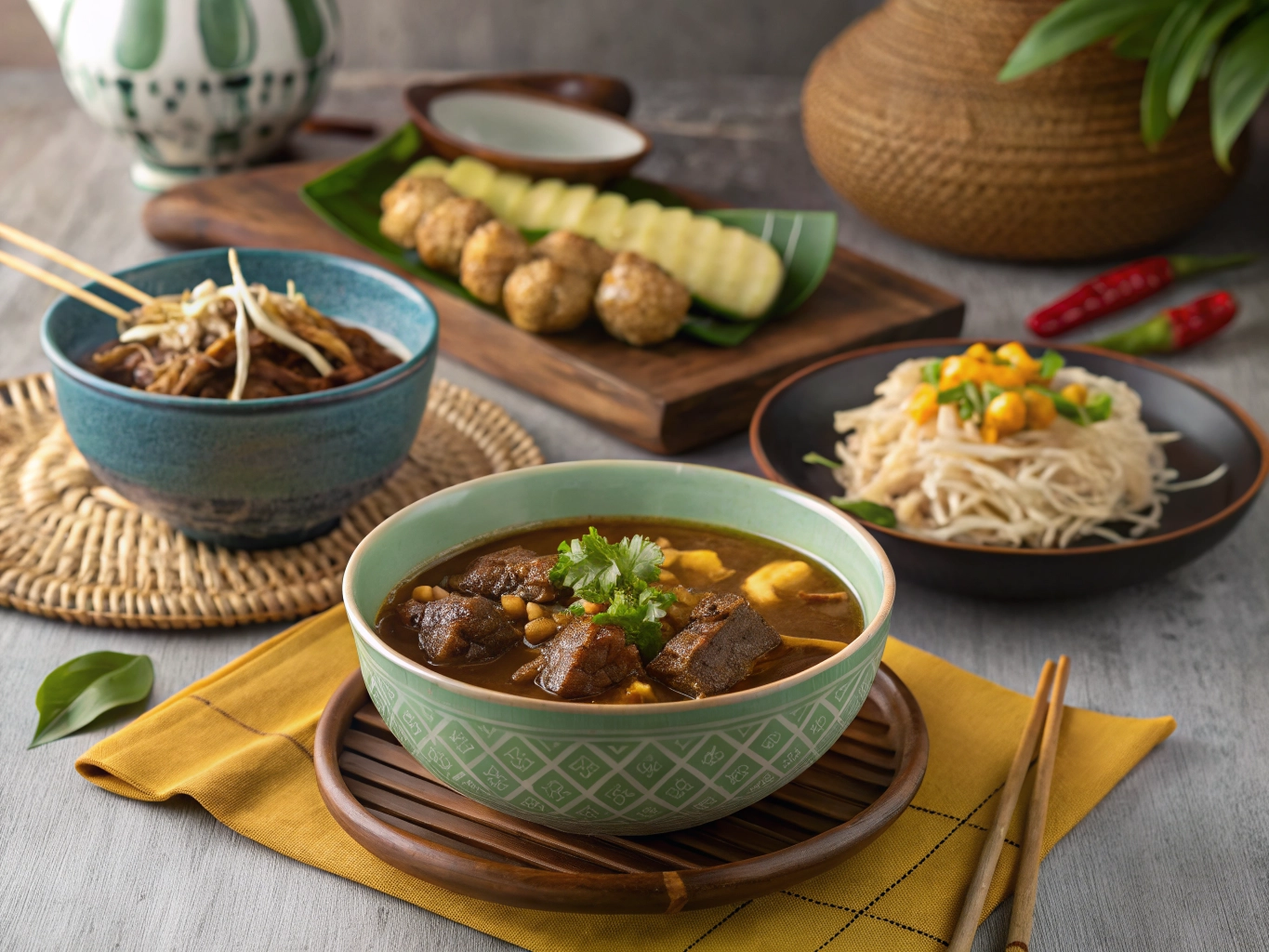
Rawon is one of the most iconic foods in East Java. This traditional beef soup is easy to recognise because of its dark black broth, created from kluwek, also known as keluak.
The broth is rich, earthy, savoury, and slightly nutty. Tender pieces of beef are cooked with Indonesian spices such as garlic, shallots, turmeric, lemongrass, and galangal. Rawon is typically served with steamed rice, bean sprouts, sambal, salted egg, and crackers.
This is a must-try dish for travellers visiting Surabaya, Malang, Probolinggo, or other cities across East Java.
Where to try it: Surabaya, Malang, Probolinggo, and Lumajang.
Best for: Travellers who enjoy hearty beef dishes and rich Indonesian flavours.
2. Chicken Satay Madura: A Must-Try East Java Street Food
Chicken Satay Madura, locally known as Sate Ayam Madura, is one of the most popular satay dishes in Indonesia. Originating from Madura Island in East Java, this grilled chicken satay is famous for its smoky aroma, tender meat, and thick peanut sauce.
Small pieces of marinated chicken are skewered and grilled over charcoal until lightly caramelised. The satay is then served with a rich sauce made from peanuts, garlic, chilli, candlenut, palm sugar, and sweet soy sauce.
Chicken Satay Madura is usually eaten with lontong, rice cake, sliced shallots, and extra sweet soy sauce. It is easy to find at street-food stalls, local markets, roadside warungs, and restaurants throughout East Java.
Where to try it: Madura, Surabaya, Malang, and most cities in East Java.
Best for: First-time visitors, families, and travellers looking for an easy local street-food experience.
3. Lamb Satay: Smoky Grilled Sate Kambing
Lamb Satay, commonly known in Indonesia as Sate Kambing, is another essential food to try in East Java. While it is often called lamb satay on English menus, it is usually prepared with goat meat.
The meat is cut into small pieces, skewered, and grilled over charcoal. It is commonly served with a sweet and savoury soy sauce mixture, sliced shallots, fresh chilli, tomatoes, and sometimes peanut sauce.
The flavour is rich, smoky, and slightly sweet, especially when the meat is grilled over coconut-shell charcoal. In East Java, lamb or goat satay is a popular evening dish and is often paired with rice, lontong, or warm soup.
Banyuwangi is particularly known for its strong, well-seasoned version of Sate Kambing, usually served with lontong and sweet-spicy soy sauce.
Where to try it: Banyuwangi, Surabaya, Malang, and local satay stalls across East Java.
Best for: Meat lovers, barbecue fans, and travellers looking for a bold local flavour.
4. Soto Lamongan: Chicken Soup with Crispy Koya
Soto Lamongan is a classic chicken soup from Lamongan, East Java. It is one of the most popular comfort foods in the province and can be enjoyed for breakfast, lunch, or dinner.
The soup contains shredded chicken, vermicelli noodles, cabbage, boiled egg, celery, fried shallots, and fragrant yellow broth. What makes Soto Lamongan special is koya, a powder made from crushed shrimp crackers and fried garlic.
Koya adds a savoury, garlicky taste and gives the soup a slightly thicker texture. Add lime juice and sambal for a fresher and spicier flavour.
Where to try it: Lamongan, Surabaya, Malang, and food stalls throughout East Java.
Best for: Breakfast, late-night meals, and travellers who prefer lighter but flavourful dishes.
5. Bakso Malang: A Comforting Meatball Soup
Bakso Malang is one of Malang’s most famous foods. This warm meatball soup is especially popular because of Malang’s cooler mountain weather, but it is enjoyed throughout Indonesia.
A typical bowl includes beef meatballs, tofu, fried wontons, steamed dumplings, noodles, and clear savoury broth. Some stalls allow visitors to select their own ingredients, including stuffed tofu, crispy dumplings, meatballs, and noodles.
Bakso Malang is highly customisable. You can add chilli sauce, sweet soy sauce, vinegar, fried shallots, or extra noodles depending on your taste.
Where to try it: Malang, Batu, and cities across East Java.
Best for: Families, casual food travellers, and anyone looking for a warm, filling local meal.
Why East Java Food Is Worth Trying
East Java food is known for its bold, savoury, sweet, spicy, and aromatic character. Many dishes use ingredients such as garlic, chilli, peanuts, shrimp crackers, sweet soy sauce, kluwek, turmeric, and local herbs.
The province also offers a wide range of food experiences. Surabaya is famous for Rawon, Madura is known for chicken satay, Banyuwangi offers flavourful lamb satay, Lamongan is associated with Soto Lamongan, and Malang is a top destination for Bakso.
Trying these local foods gives travellers a better understanding of East Java’s culture, local ingredients, and regional cooking traditions.
Frequently Asked Questions About East Java Food
What is the most famous food in East Java?
Rawon is one of the most famous foods in East Java. Its rich black broth, tender beef, and kluwek-based flavour make it one of the province’s signature dishes.
What satay should I try in East Java?
Chicken Satay Madura and Lamb Satay, also known as Sate Kambing, are two of the best satay dishes to try in East Java.
Is lamb satay the same as sate kambing?
Sate Kambing is often translated as lamb satay, but it is commonly made using goat meat. It is typically grilled over charcoal and served with sweet soy sauce, chilli, shallots, and sometimes peanut sauce.
Is East Java food spicy?
Many East Java dishes can be spicy because sambal and chilli are commonly served on the side. You can usually ask for less chilli when ordering.
What food should I try in Malang?
Bakso Malang is the most famous food to try in Malang. Rawon and chicken satay are also widely available in the city.
Final Thoughts
East Java is a destination where food is as memorable as its mountains, waterfalls, and historic cities. From the deep, earthy flavour of Rawon to the smoky taste of Chicken Satay Madura and Lamb Satay, every dish offers a different side of the region.
For a complete East Java culinary experience, try one soup, one satay dish, and one local street-food favourite. These five dishes are an excellent starting point for discovering the bold flavours of East Java.